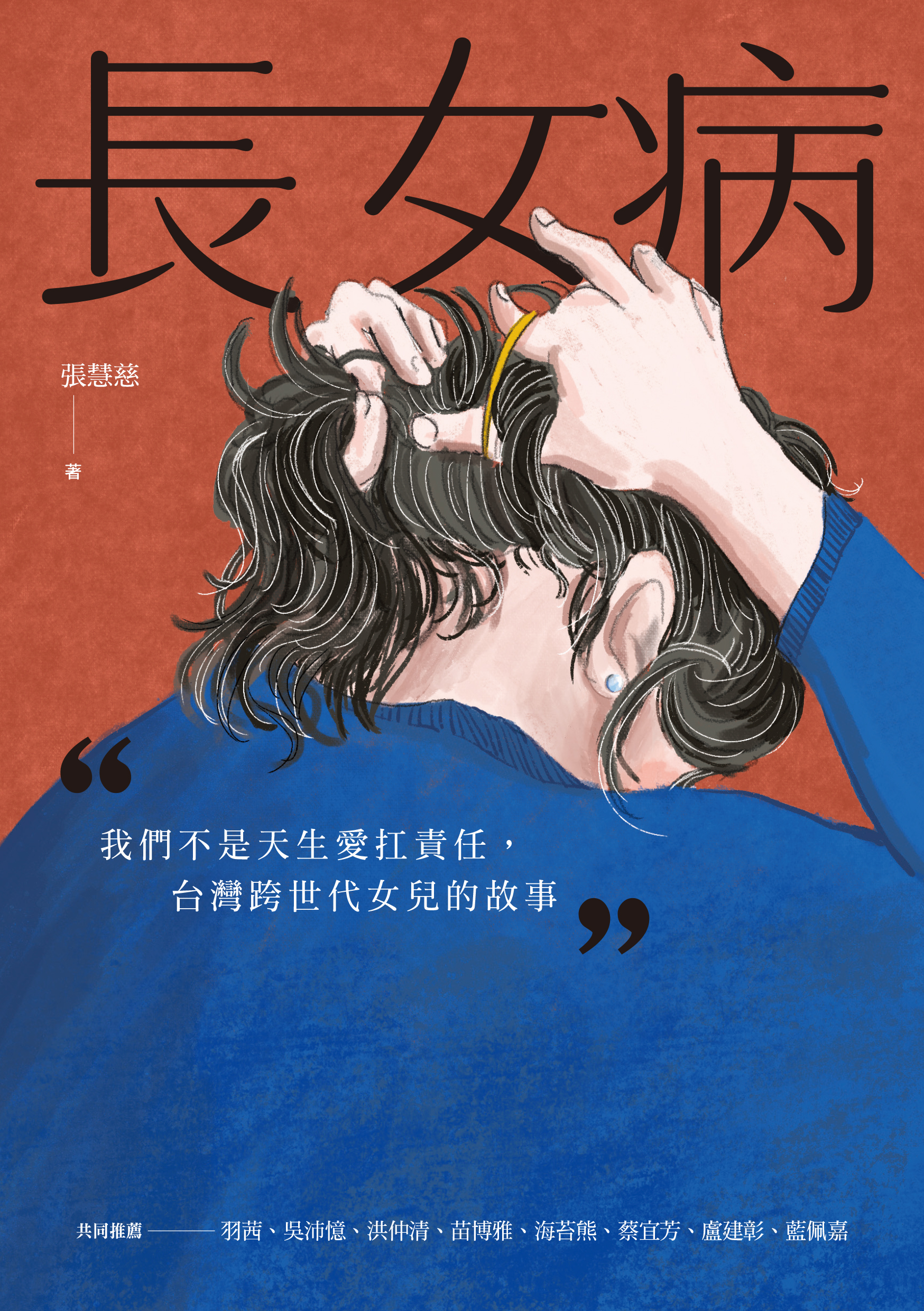
Eledst Daughter Syndrome
長女病:我們不是天生愛扛責任,台灣跨世代女兒的故事
Author: Chang Hui-Tzu 張慧慈
ISBN: 9786269917488
Date:4/2025
Pages:320
Length: 86382 characters (approx. 56,100 words in English)
Rights sold: Korean (Gimm-Young), Vietnamese (Berry books), Indonesia (Elex Media Komputindo), Japanese
*Selected for Books From Taiwan
- Over 20,000 copies sold
- Winner of the 2025 Readmoo Chinese Annual Awards – Nonfiction Category
- Books.com.tw 2025 Annual Top 100 – Humanities & Social Sciences: Top 4
- Readmoo 2025 Annual Bestseller List – Social Sciences: Top 1
- Kobo 2025 Annual Top 100 – Humanities & Social Sciences: Top 8
- Selected for Books From Taiwan 2025 full translation grant
- 2025 Eslite Booksellers’ Choice Award – Most Recommended by Staff
Translator Marianne Yeh
Why do eldest daughters in traditional Chinese societies always carry the heaviest burden? Author Chang Hui-Tzu trains a macro sociological lens on a cross-generational family tale to dissect the foundations of societal mores and structures and hold out hope of curing Asia’s “eldest daughter syndrome” and promoting self-realization.
“A responsible, hardworking daughter is the best long-term care insurance program.” According to the findings of a Stanford University research project, daughters are inclined to altruistically look after their parents in old age. Eldest Daughter Syndrome author Chang Hui-Tzu highlights that, in traditional Asian families, the eldest daughter wears multiple hats as housework helper, second mother to her siblings, and primary caregiver to her elderly parents. This phenomenon is rooted in Confucian rules on family hierarchy and reinforced by stereotypes that pigeonhole females as instinctive caregivers. More than an occasional occurrence, eldest daughter syndrome is a direct reflection of paternalism and entrenched societal structures.
Chang’s sociological analysis approach, backed by in-depth field research and interviews, fleshes out a picture of the fate shared by generations of eldest daughters from all social strata. They are universally tasked with lightening the load of their parents and helping care for their siblings. In lower-class families, they are often sent off to work at a young age to help pay for their siblings’ educations. As an adult, minimal schooling limits options in work and often leads to a life that mirrors that of her parents. As parents grow elderly and frail, their care too falls naturally onto eldest daughters’ shoulders. In diagnosing the underlying social issues, Chang suggests solutions to overturn the norms of family hierarchy and male chauvinism and rectify outdated family structures to relieve overburdened eldest daughters and help them realize “I deserve to be taken care of as well.”
More than speaking out for overburdened eldest daughters, Eldest Daughter Syndrome lifts the veil on the familial roles of women and encourages all to consider how the status quo has created a syndrome that continues to overburden and underprivilege women at home, in the workplace, and beyond.
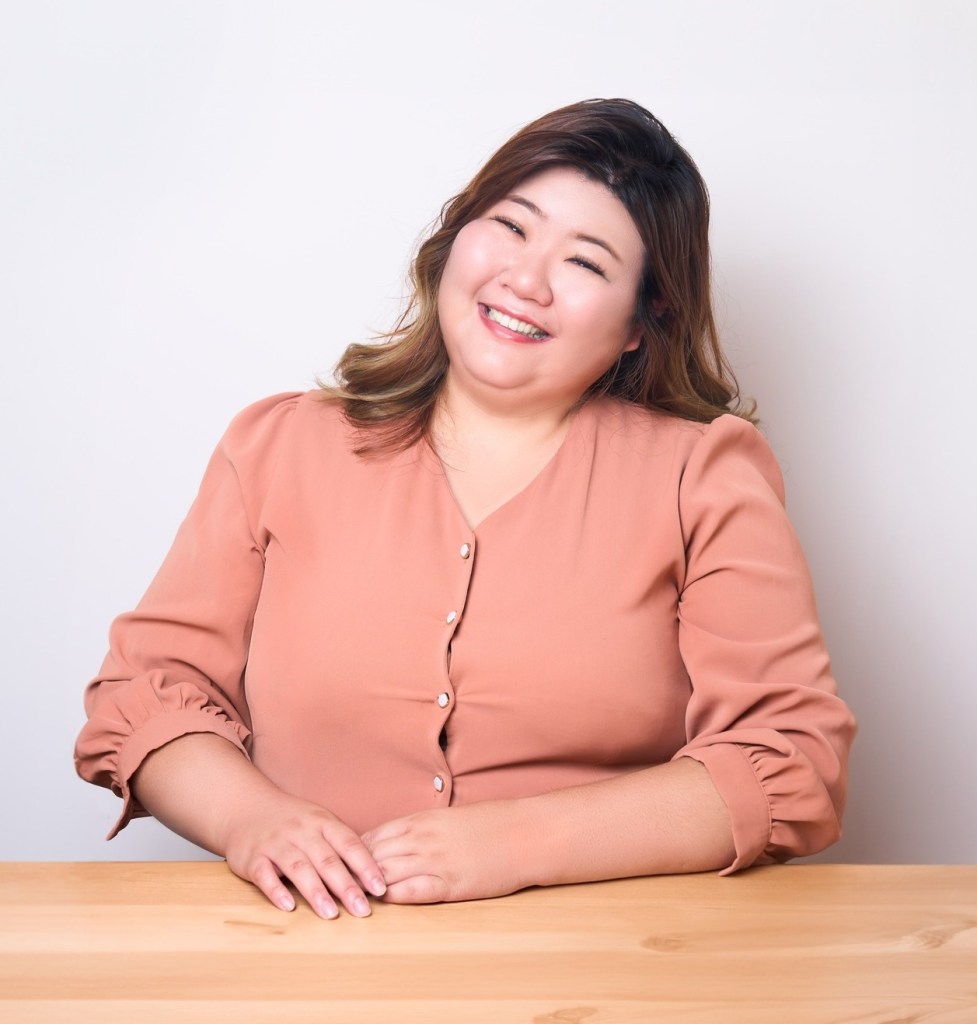
CHANG HUI TZU 張慧慈
Chang Hui-Tzu earned her bachelor’s from National Tsing Hua University’s Interdisciplinary Program of Humanities and Social Sciences and graduate degree from National Taiwan University’s College of Social Sciences. Her work experience includes a stint on the Presidential Office’s speechwriting team and work in Taiwan’s traditional industries sector and arts community. Chang’s breadth of experiences facilitates her empathetic yet sharp perspective on society and societal norms. Her published literary works include Taking a Bite from Marx’s Steamed Bun and We Shall Overcome!?
 游擊文化
游擊文化 
發表留言